





Go to:
- CSMB New Investigator award winner: Kieran Campbell
- Canadian Science Publishing Senior Investigator award winner: Mary-Ellen Harper
- Jeanne Manery-Fisher Memorial award winner: Keiko Yoshioka
- Arthur Wynne Gold Medal award winner: Eric Brown
CSMB New Investigator award
The CSMB New Investigator Award recognizes meritorious research in one or more of the fields of biochemistry, molecular or cellular biology in Canada. Recipients have ten years or less of independent research experience, and demonstrate outstanding research accomplishments.
Winner: Kieran Campbell, PhD, MSc
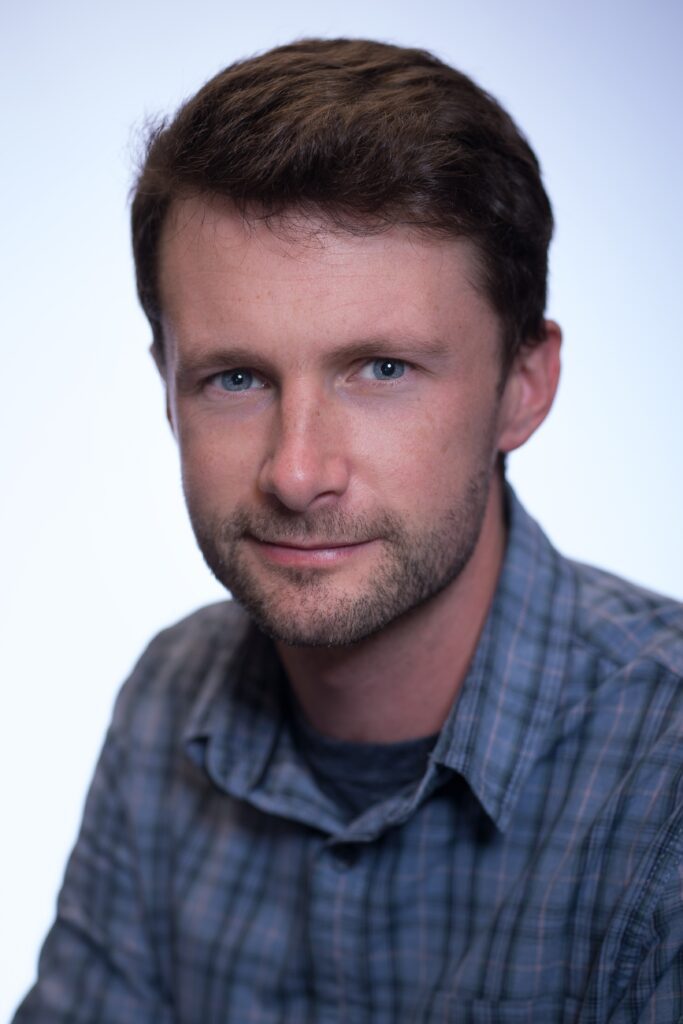
Principal Investigator and Scientist at the Lunenfeld-Tanenbaum Research Institute, Assistant Professor at the University of Toronto, and affiliate faculty at both the Ontario Institute for Cancer Research and the Vector Institute.
Biography:
Dr. Kieran Campbell received his DPhil in Statistical Genomics from the University of Oxford, following earlier training in computational biology and mathematical physics. He then completed postdoctoral training at the University of British Columbia and the BC Cancer Agency as a Banting Postdoctoral Fellow, where he developed expertise in cancer genomics and established collaborations with experimental researchers.
In 2020, Dr. Campbell established his independent research program at the Lunenfeld-Tanenbaum Research Institute and the University of Toronto, where he is now a Principal Investigator and Assistant Professor with cross-appointments in Molecular Genetics and Statistical Sciences. His research focuses on developing machine learning and statistical methods for the analysis of large-scale spatial and single-cell ‘omics datasets. His work has led to widely adopted computational tools that enable robust and scalable characterization of cellular phenotypes, advancing the study of cancer and other complex diseases.
Since starting his independent career, Dr. Campbell has secured major competitive funding, including a Canada Research Chair in Machine Learning for Translational Biomedicine and an Ontario Early Researcher Award. He has published extensively in leading journals such as Nature Biotechnology, Nature Communications, and Genome Biology, and his open-source software is widely used by the research community.
Dr. Campbell is also recognized for his collaborative and interdisciplinary approach, contributing to studies across genomics, imaging, and computational biology. In addition to his research contributions, he is committed to mentorship and training, supervising graduate students and postdoctoral fellows across multiple disciplines and supporting their development in both computational and experimental environments.
Canadian Science Publishing Senior Investigator award
This award recognizes a record of outstanding achievement in research in one or more of the fields of biochemistry, molecular or cellular biology, undertaken in Canada by a Canadian scientist.
Winner: Mary-Ellen Harper, PhD
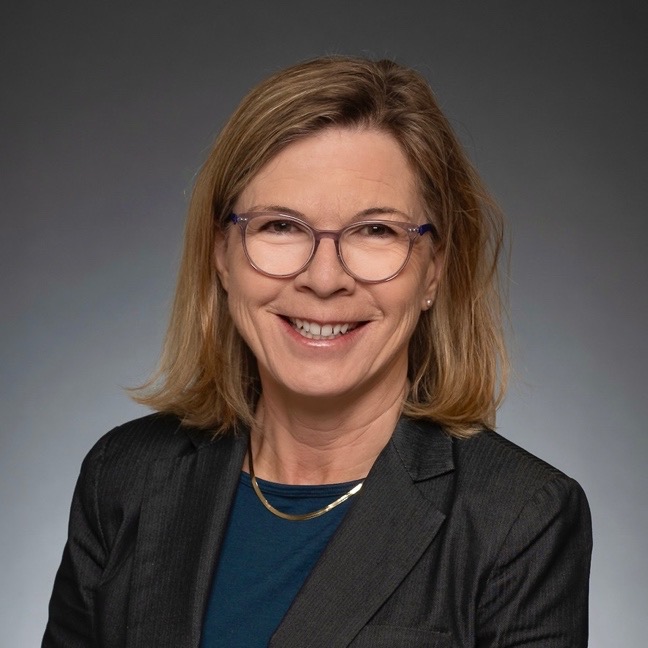
Professor in the Faculty of Medicine at the University of Ottawa. Dr Harper holds a Tier 1 Canada Research Chair in Mitochondrial Bioenergetics and Metabolic Health. Recent leadership roles include Director of the University of Ottawa Institute of Systems Biology (2019-26) and Director of the Metabolomics Advanced Training and International Exchange ‘MATRIX’ program (2018 – 2025), an NSERC CREATE program at Universities of Ottawa, Montréal and McGill.
Biography:
Dr. Mary-Ellen Harper’s research focuses on the mechanisms governing mitochondrial energy conversion, including proton leak via uncoupling proteins (UCPs), adenine nucleotide translocators (ANTs), and the organization of mitochondrial supercomplexes. These processes play key roles in regulating ATP production, thermogenesis, oxidative stress, and cellular signaling, with broad implications for metabolic diseases such as diabetes and obesity, as well as cardiomyopathies, neurodegenerative disorders, and cancer. Her work integrates molecular, physiological, and translational approaches, spanning in vitro systems, animal models, bioinformatics, and studies in patient populations.
In addition to her research contributions, Dr. Harper has played a major role in shaping research training and infrastructure in Canada. As Director of the University of Ottawa Institute of Systems Biology, she has led the development of interdisciplinary training programs and established partnerships with national organizations, including the National Research Council of Canada and Canadian Nuclear Laboratories. Through these efforts, she has contributed to the training and support of over 200 trainees and helped expand opportunities at the interface of academia, government, and industry.
Dr. Harper’s research program is supported by the Canadian Institutes of Health Research, the Natural Sciences and Engineering Research Council of Canada, the National Research Council of Canada, and Canadian Nuclear Laboratories. She has published over 225 peer-reviewed papers, with more than 23,000 citations and an H-index of 75. Her contributions have been recognized with numerous awards, including a Lifetime Achievement Award from Diabetes Canada (2021) and the 2026 Scientist Award from the Association of Faculties of Medicine of Canada.
A strong advocate for training and mentorship, Dr. Harper has supervised 56 undergraduate thesis students, as well as 24 MSc and 15 PhD students, and 13 postdoctoral fellows.
Jeanne Manery-Fisher Memorial award
This award is given in honour of the late Jeanne Manery Fisher, Professor of Biochemistry, University of Toronto. Dr. Fisher was not only an outstanding biochemist, but a remarkable teacher. She was instrumental in creating the Society’s Equal Opportunity Committee and fought diligently for the position of women in science. This award recognizes an eminent Canadian woman scientist who has a distinguished career in the fields of biochemistry, molecular or cellular biology or genetics, resulting from her outstanding contributions to research, teaching or society.
Winner: Keiko Yoshioka
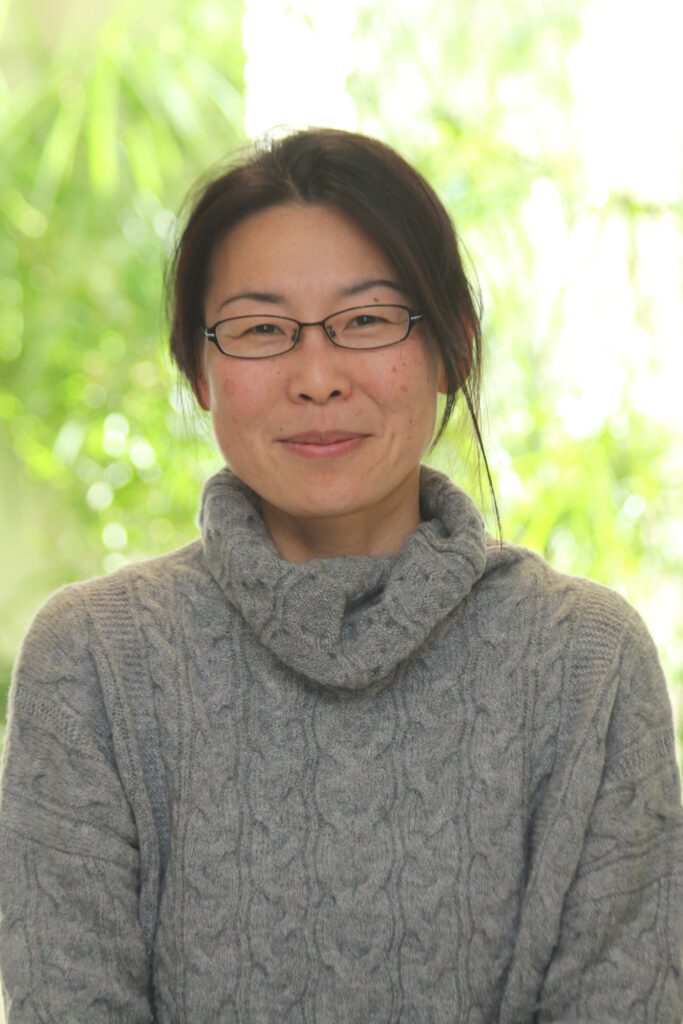
Professor and Associate Chair, Undergraduate Studies, Department of Cell and Systems Biology, University of Toronto
Biography
Dr. Keiko Yoshioka is a Professor and Associate Chair for Undergraduate Studies in the Department of Cell and Systems Biology at the University of Toronto. She received her PhD in Plant Molecular Biology and Agriculture from Hokkaido University through a joint program with the National Institute of Agrobiological Sciences in Japan. She subsequently held research positions at leading international institutes, including the RIKEN Institute, the Waksman Institute of Microbiology at Rutgers University, and the Boyce Thompson Institute at Cornell University, before joining the University of Toronto.
Dr. Yoshioka’s research focuses on how plants perceive and transmit intra- and intercellular signals in response to environmental stress, particularly pathogen infection. Her work integrates molecular biology, genetics, and plant–microbe interactions to better understand stress responses and develop strategies to improve crop resilience and sustainability. Her laboratory continues to identify key genes, proteins, and beneficial microbial interactions that enhance plant resistance to both biotic and abiotic stresses.
In addition to her research contributions, Dr. Yoshioka is deeply engaged in international collaboration and scientific outreach. She has worked across academic, government, and industry partnerships, including participation in multinational efforts to address crop disease challenges in Africa, where she has contributed to training initiatives and co-organized scientific workshops. A strong advocate for mentorship and equity in science, she has also supported initiatives such as “Women in Science” symposia. Her career reflects a sustained commitment to advancing plant science, fostering collaboration, and training the next generation of scientists.
Arthur Wynne Gold Medal award
The Canadian Society for Molecular Biosciences (CSMB) Arthur Wynne Gold Medal is presented by the CSMB to an individual who has made a major contribution to molecular biosciences in Canada over their career. The Medal is named in honor of Professor Arthur M. Wynne, the first President of the Society, and was initiated in 2007 to celebrate the 50th Anniversary of CSMB. The recipient is presented with a plaque depicting the likeness of Professor Wynne.
Winner: Eric Brown, PhD
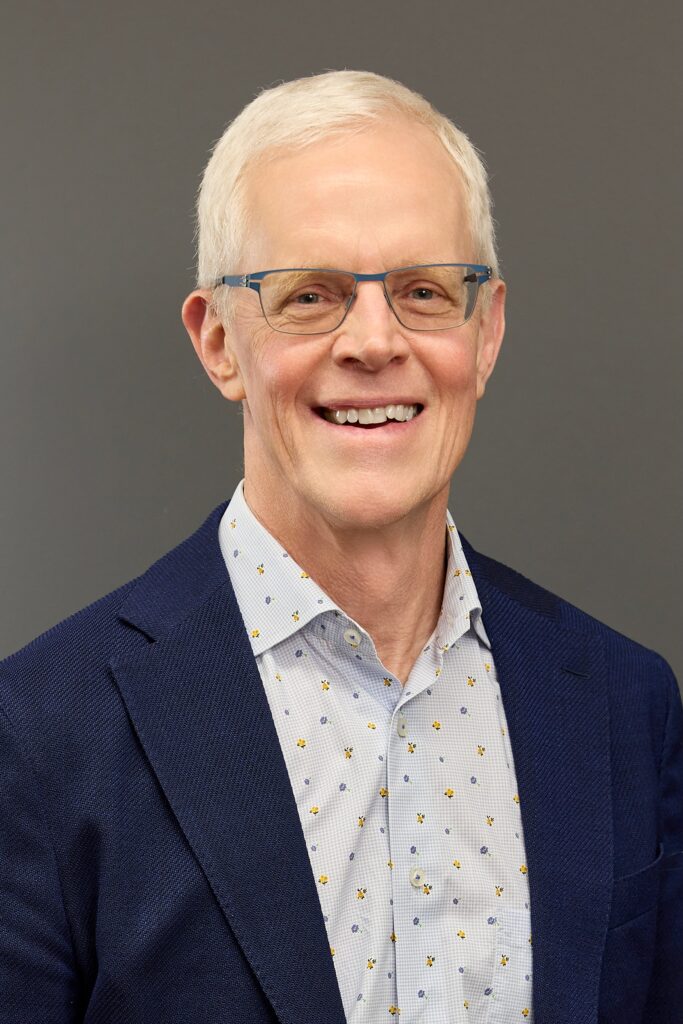
Distinguished University Professor, Department of Biochemistry and Biomedical Sciences, McMaster University
Biography
Dr. Eric Brown is a Distinguished University Professor at McMaster University and a member of the M.G. DeGroote Institute for Infectious Disease Research. He is a Fellow of the Royal Society of Canada and has received numerous honours, including the Canadian Society of Microbiologists Murray Award for career achievement.
He completed his PhD in Biochemistry at the University of Guelph, where he studied proline utilization in bacteria under the supervision of Professor Janet Wood. He then pursued postdoctoral research at Harvard Medical School in Professor Christopher Walsh’s laboratory, focusing on bacterial cell wall biosynthesis. Following this, he spent several years in the Boston pharmaceutical sector with Myco Pharmaceuticals and Astra Research Center Boston before joining McMaster University in 1998.
Dr. Brown is internationally recognized for his contributions to antibiotic research and antimicrobial discovery. His work integrates chemical biology, microbiology, and systems biology to investigate bacterial physiology and uncover new strategies to combat antimicrobial resistance. His research has advanced understanding of how antibiotics function and has helped identify novel approaches to drug discovery, with an emphasis on translating fundamental discoveries into potential therapeutic applications.
In addition to his research achievements, Dr. Brown has demonstrated outstanding leadership in academic and scientific communities. He is a former Chair of the Department of Biochemistry and Biomedical Sciences and the founding Director of McMaster’s Biomedical Discovery and Commercialization program. He has held numerous national and international service roles, including serving as President of the Canadian Society of Biochemistry, Molecular and Cellular Biology. He has also contributed to major funding and advisory bodies, including the Gairdner Foundation Medical Review Panel, the Canadian Institutes of Health Research, and the European Joint Programming Initiative on Antimicrobial Resistance.
Dr. Brown’s career reflects a sustained commitment to advancing biomedical research, fostering innovation, and strengthening the scientific community through leadership, mentorship, and service.